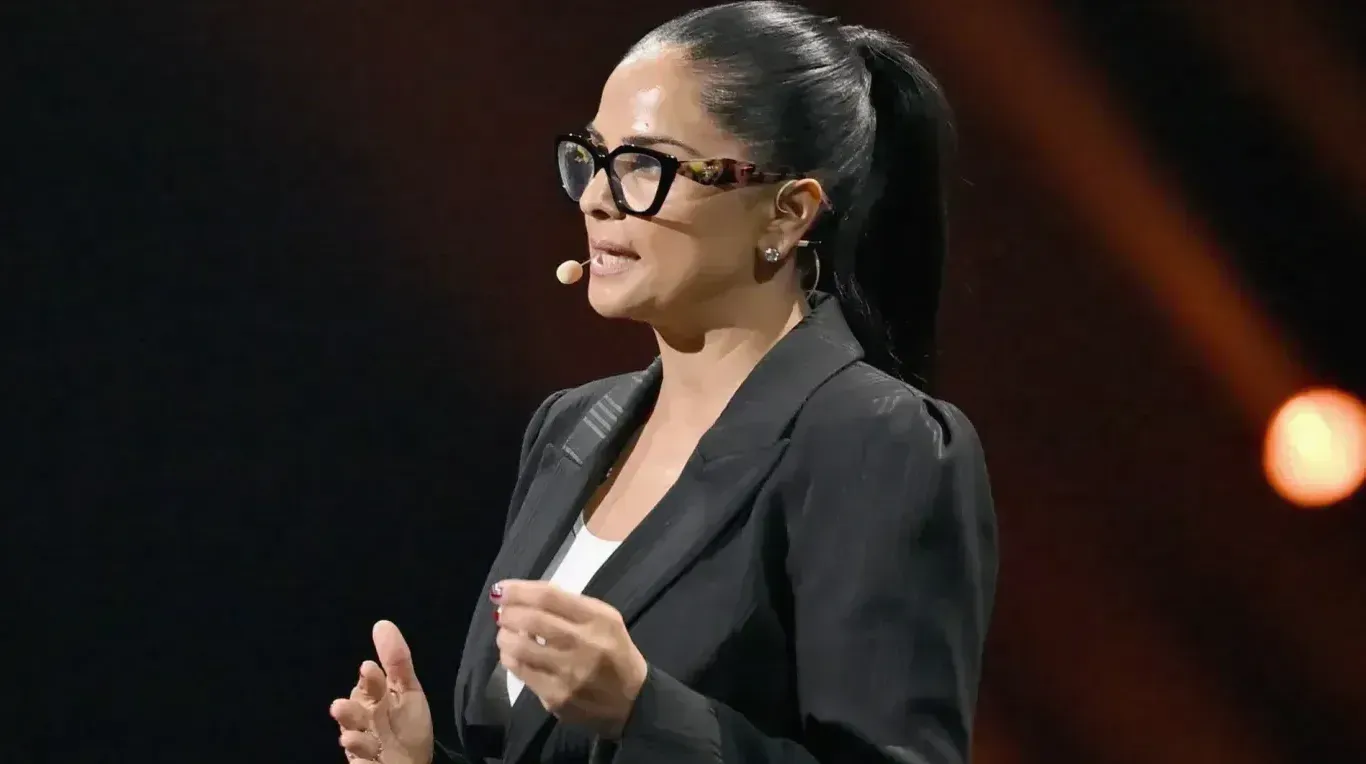
The atmosphere inside Netflix has turned clinical and cold following a series of ruthless leadership changes that caught even the highest ranking executives off guard. Bela Bajaria, the longtime chief content officer, found herself ousted in a sudden maneuver that left colleagues stunned. Just days prior, Bajaria had been accepting honors in Cannes and securing massive media rights deals for the World Cup, seemingly untouchable in her role. In a cruel twist of corporate irony, she spent her final days at the company personally informing lower level staff members that they were being laid off, unaware that her own pink slip was already signed.
This transition marks a departure from the traditional Netflix playbook. For years, the company promoted from within or relied on leaders who had grown alongside the brand since its DVD mailer days. That era ended with the appointment of Peter Rice, a former Fox executive and a true Hollywood outsider brought in to dismantle existing structures and install a new vision. Insiders suggest that CEO Ted Sarandos had been signaling this shift for months through highly visible meetings with rival executives, essentially putting Bajaria on notice while preparing the ground for Rice’s arrival.
The turmoil extends far beyond the C suite, hitting the film division particularly hard. Film chief Dan Lin is currently navigating a precarious landscape after his second in command, Doug Belgrad, was swept away in a wave of cuts targeting middle management layers. While Lin has successfully reorganized the film department by genre to curb wasteful spending, he now faces an uncertain future under Rice’s impending regime. There are whispers throughout town that other displaced studio veterans could be lured in to further reshape how Netflix handles its cinematic output.
For the rank and file employees, these structural shocks come at a miserable time financially. Many workers took significant portions of their compensation in equity, only to watch their portfolios plummet as stock prices slid more than forty five percent over the past year. Between the financial losses and the abrupt disappearance of familiar bosses, morale has hit a low point. Now, all eyes turn toward upcoming briefings with Wall Street analysts and a planned company wide town hall where Sarandos is expected to explain why such drastic measures were necessary to save the streaming giant from dwindling viewer attention spans.