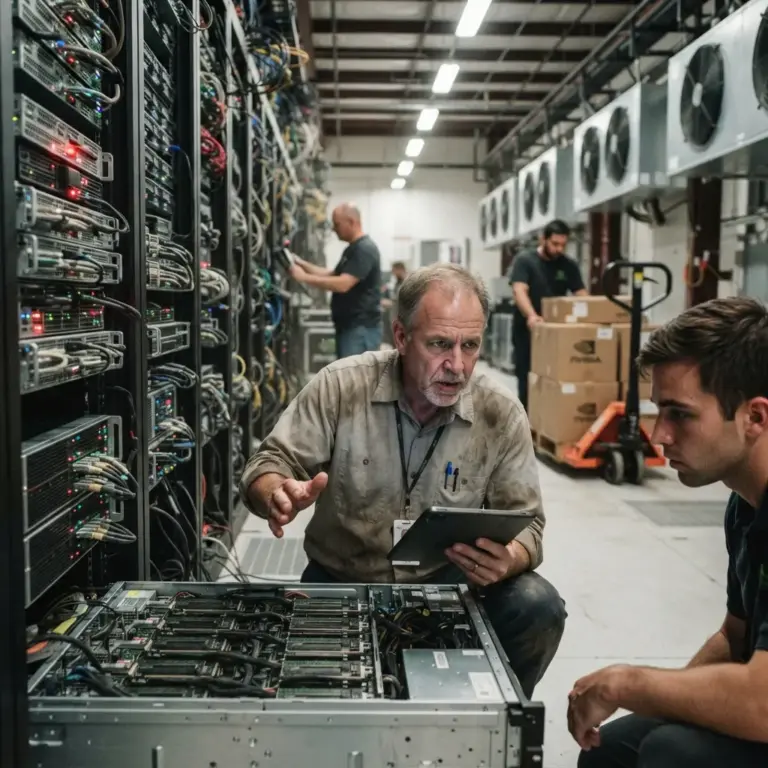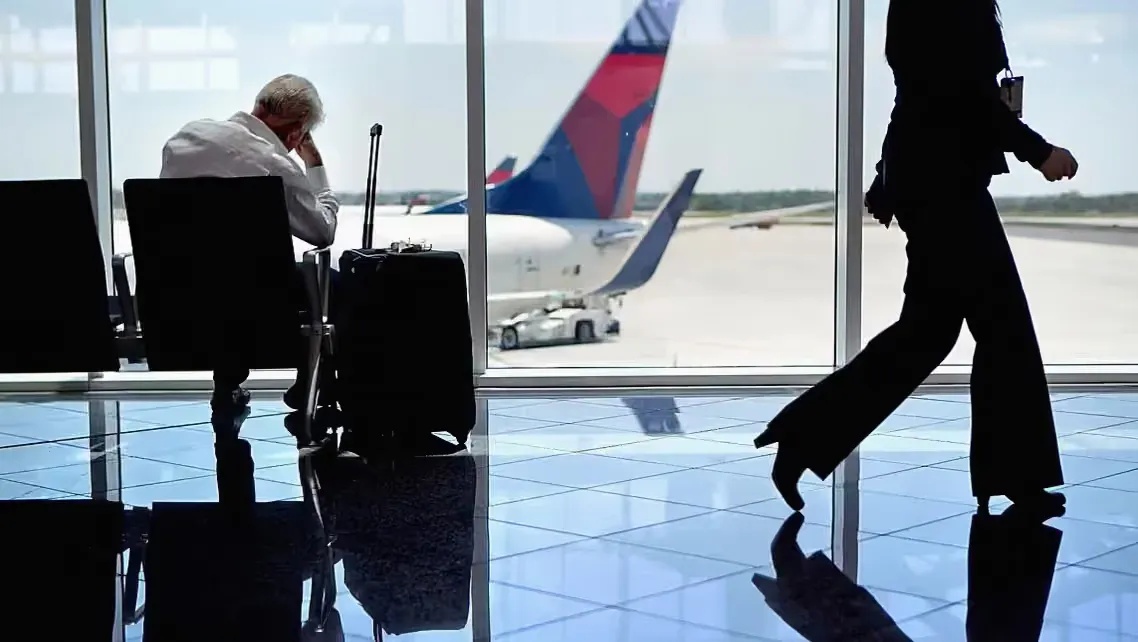
Travelers at Hartsfield-Jackson International Airport faced a chaotic Sunday as a critical software failure at Delta Air Lines sent shockwaves through one of the world’s busiest aviation hubs. The glitch targeted the specific tools used to verify aircraft weight and balance, forcing ground crews to revert to manual calculations to ensure flight safety. While the airline eventually restored the system, the fallout was immense, leaving over a thousand flights delayed and nearly sixty percent of Delta’s total schedule running behind time just days before the frantic Thanksgiving rush.
The timing of the collapse coincides with a sobering warning from Director of National Intelligence Jay Clayton, who suggests these types of disruptions are becoming part of the modern landscape. Speaking with CNN, Clayton explained that American infrastructure is currently navigating a massive upgrade cycle, meaning that gaps in service and technical glitches are almost inevitable. He clarified that while the frequency of these errors is concerning, there is no evidence that they are being driven by foreign adversaries or coordinated cyberattacks. Instead, he pointed toward the inherent risks associated with rolling out essential security patches and software updates across aging networks.
This latest ordeal at Delta is merely one chapter in a troubling month for U.S. connectivity. Recent weeks have seen everything from Microsoft email services and major banking platforms to the National Security Agency’s own network suffer various degrees of instability. Even other carriers haven’t been immune; United Airlines recently dealt with its own outage following a historic nationwide FAA network halt earlier this November, marking the most significant stoppage in twenty five years.
While Europe has experienced similar volatility recently—including bizarre hacking incidents involving supermarket refrigeration units—Clayton notes a key difference in origin. Whereas many European outages appear to be result of malicious intent, the current wave of American malfunctions seems rooted in systemic maintenance struggles. For now, passengers are left hoping that these necessary upgrades don’t continue to collide with peak holiday travel windows, even as officials admit that more interruptions are likely on the horizon.