The gold rush toward artificial intelligence has triggered a massive surge of spending, with tech giants like Amazon, Microsoft, and Meta preparing to pour hundreds of billions into infrastructure. However, experts warn that the sheer speed of innovation creates a dangerous paradox for investors. While the technology itself is almost certain to transform the world, the physical assets used to build it might become obsolete long before they ever turn a profit.
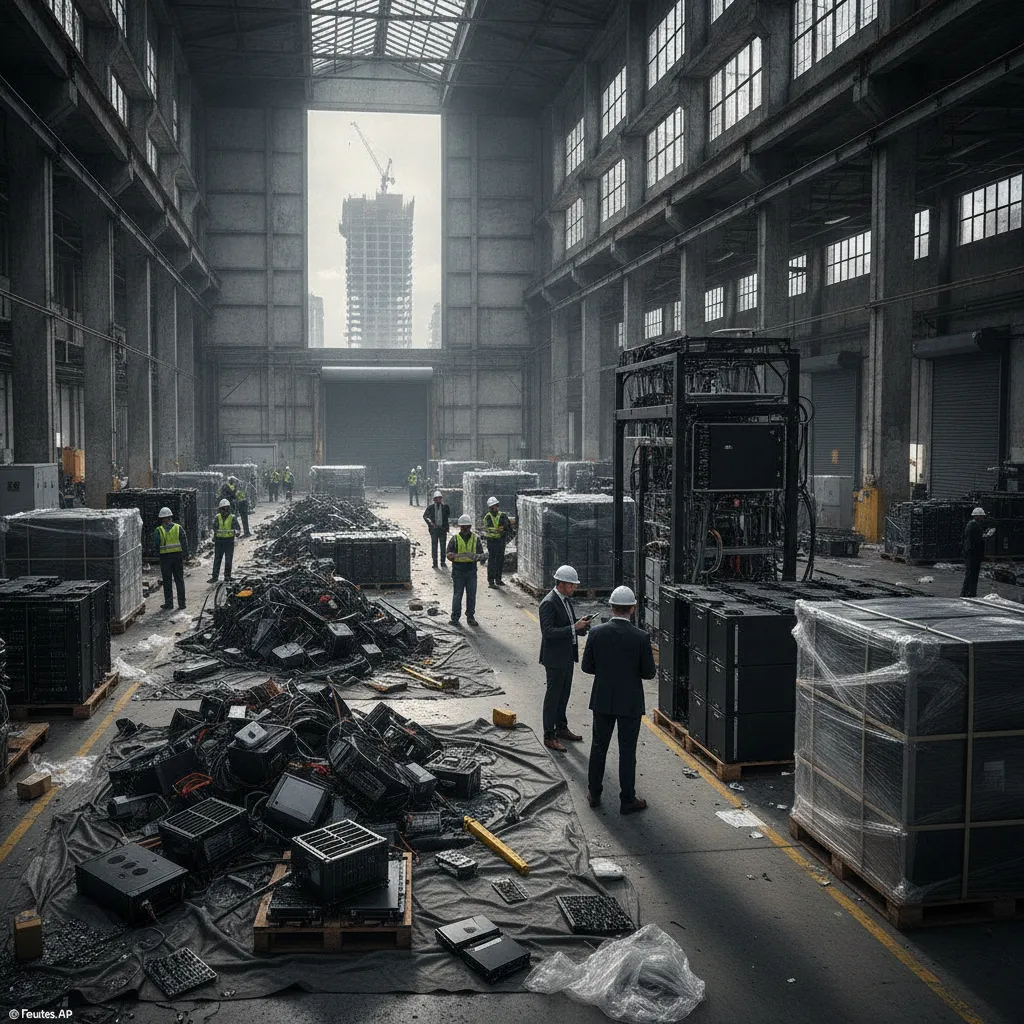
The primary issue is a mismatch in timelines. A data center takes years to plan and construct, but the specialized chips and hardware housed inside them can lose their competitive edge in months. This volatility is already hitting balance sheets; Amazon recently slashed the expected lifespan of some of its server equipment from six years down to five, leading to a billion dollar hit to its net income. It serves as a stark reminder that in the AI era, yesterday’s cutting edge is tomorrow’s scrap metal.
This environment has left Wall Street questioning whether the industry is headed for an overbuild. Even Goldman Sachs CEO David Solomon has noted that while demand currently outweighs supply, nobody truly knows if the total necessary investment will be five trillion dollars or ten trillion. There is a growing fear that firms borrowing heavily to fund expensive hardware may find themselves trapped when rental prices drop or newer, more efficient models render their current systems irrelevant.
Some analysts see echoes of the dot com bubble here, specifically comparing the current frenzy to the fiber optic expansion of the late nineties. Back then, thousands of miles of cable were laid that eventually enabled the modern internet, yet many of the companies that funded that construction went bankrupt along the way. The lesson is clear: building the foundation for a revolution does not guarantee you will be the one who profits from it. As investors move away from viewing AI as a monolithic bet, they are beginning to realize that owning the plumbing isn’t nearly as safe as once thought.